Project Development: Permitting to Reclamation

Project development for Donlin Gold has four main components:

  1. Permitting, Construction, and Exploration
  2. The Mining Process
  3. Data Collection and Monitoring
  4. Reclamation


Each of these are described in more detail below. You can also find more information on the Project FAQs page.

Permitting, Construction, and Exploration

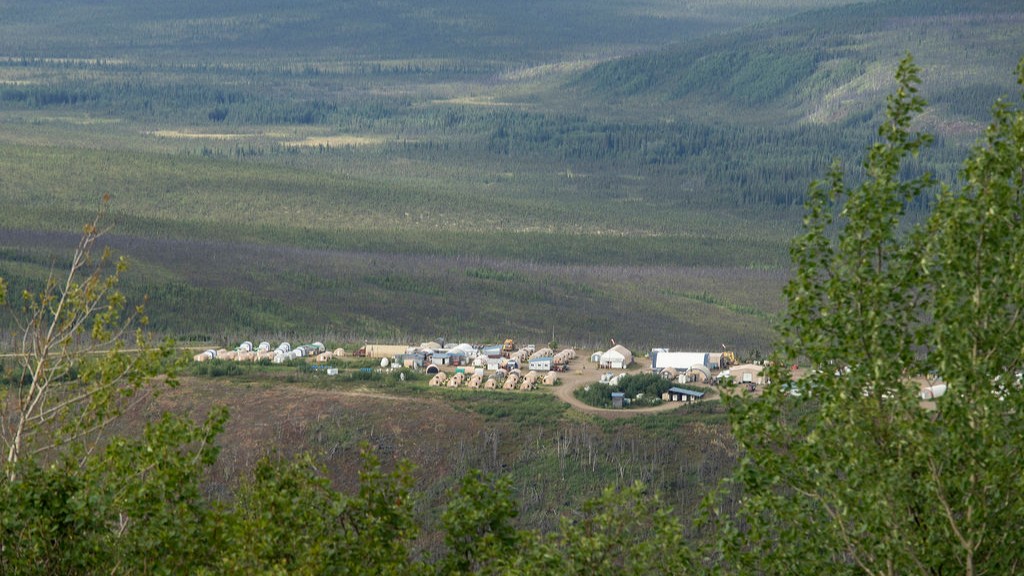
On average it takes more than 20 years for a modern project, like Donlin Gold, to go from discovery to production. The project must first go through a robust permitting, monitoring, and exploration process before extraction can begin. The Donlin Gold project has reached the advanced permitting phase and is now working towards site construction and engineering. For more detailed information about the permitting process, please visit our Plans and Permits page.

Project Data Collection and Monitoring

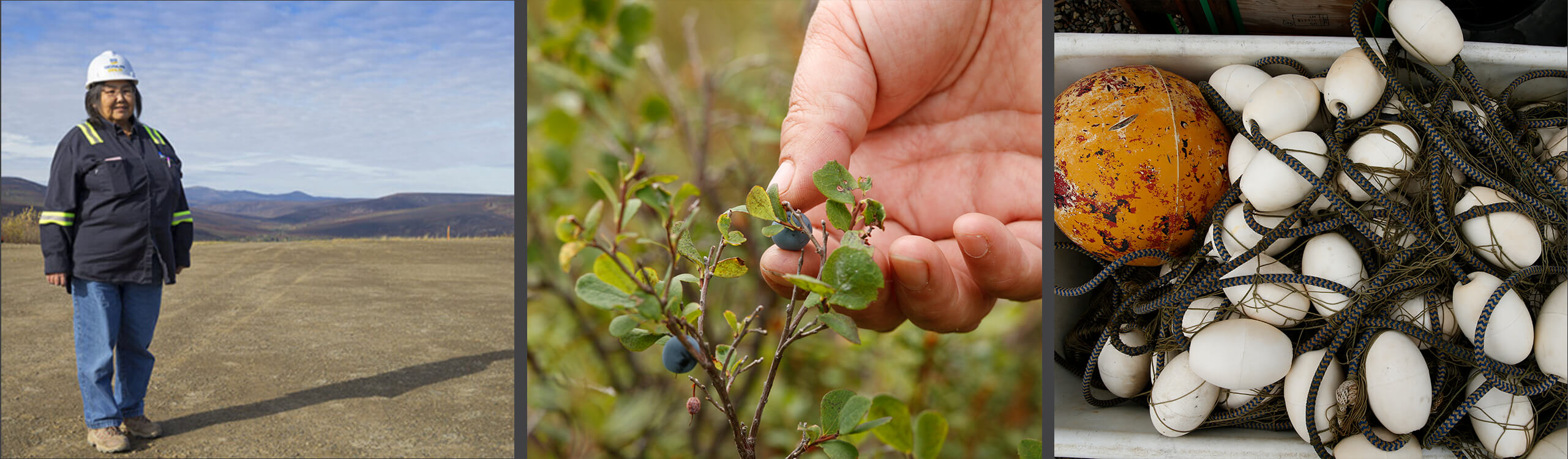
Since 2002, Donlin Gold has conducted a wide range of environmental studies to evaluate possible impacts of mine construction and operations on natural and subsistence resources in the YK Region. 

Data from these studies are being used in the design process so the mine can meet or exceed environmental standards. The data will also provide information about the environmental conditions before, during, and after mine operations to ensure the land is continuously monitored and protected.

Donlin Gold continues to refine its mine plan using this data and routinely exceeds the safety standards required by state and federal government agencies. Example resources, documents, and timelines can be found in the Index of Plans and Permits, topics include:

Air Quality

Cultural Resources

Fish and Aquatic Resources

Water Quality

Marine and River

Public Health

Recreation

Subsistence

Vegetation

Wildlife

The Mining Process

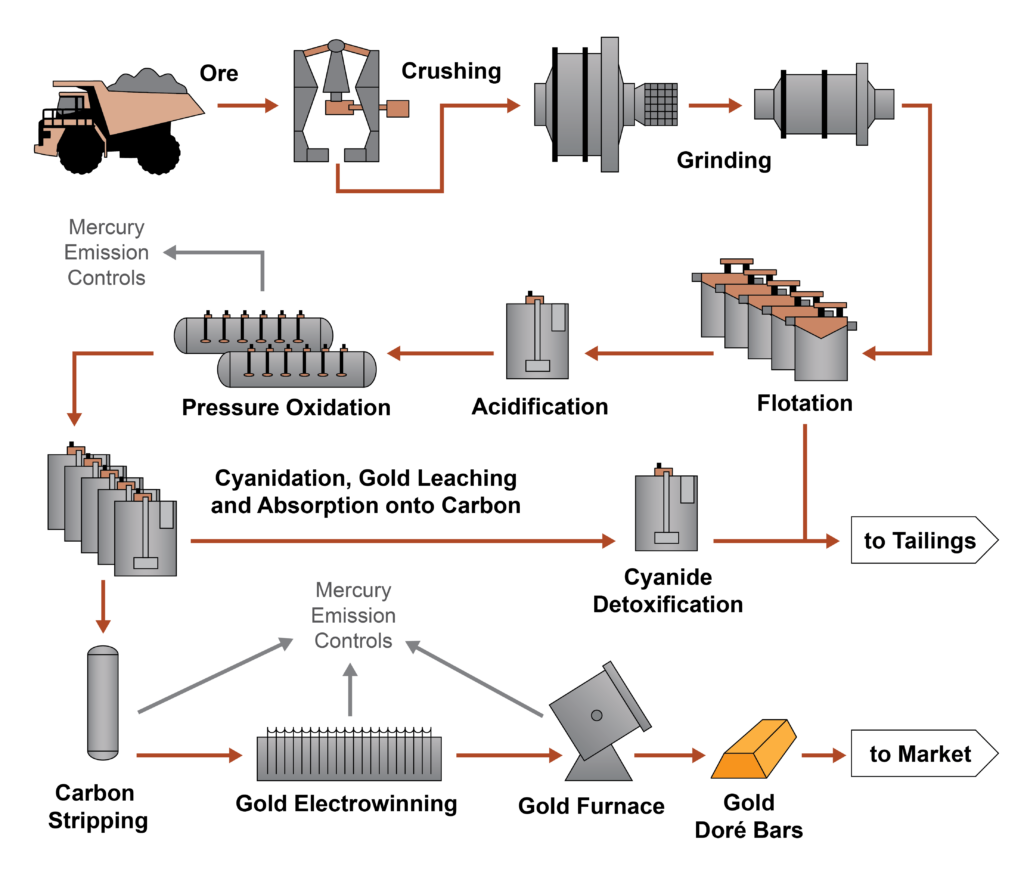
The Donlin Gold project is an open-pit deposit with probable reserves of about 33.8 million ounces of gold. The gold is mineralized in the rock, with flecks barely visible to the naked eye. Extraction and processing require many steps over the course of approximately 7-10 days.

Crushing and grinding: Mineralized rock is crushed, and then ground to form a fine, silt-like powder.

Flotation: The powder is mixed into a slurry, which is then agitated to separate the waste material (sinks to the bottom) from the gold-bearing minerals. These metals attach to the air bubbles and float to the top in a froth-like substance that can be collected. The waste materials are sent to the tailings facility.

Acidification: The “froth” from the previous step is introduced to an acid bath, which dissolves the carbonate and leaves the gold minerals available in the form of pyrite.

Pressure Oxidation: The pyrite from the previous step is subjected to oxygen, water, and pressure which breaks apart the pyrite into gold, ferric sulfate, and sulfuric acid.
Cyanidation: Cyanide solution is added to the system to extract the gold from the solution and leave the waste materials behind.

Gold leaching and carbon stripping: The gold is then collected onto activated carbon, and the cyanide is sent to a cyanide-detox unit.

Electrowinning: The solution is then exposed to an electric current, and the gold collects on a cathode. From there it is extracted and formed into doré bars.

Refining (not at Donlin site): The doré bars are shipped off site for refining, where bars are remelted and purified to remove any metallic impurities before being sent to market.

Reclamation

The Environmental Impact Statement (EIS) requires a detailed plan for mine closure and site reclamation. The project cannot proceed without it.

At Donlin, reclamation and monitoring are ongoing activities that happen concurrently throughout the project development process, during mining operations, and as the site is being closed down. Environmental monitoring continues in the area long after the mine closes.

Learn more about reclamation here.